
CNC Turning: Everything You Need to Know
Get an in-depth look at this versatile and cost-effective manufacturing process.




Co-Head of Engineering at Swissloop Tunneling
 Aluminum Steel / Stainless steel Titanium Brass PA (Polyamide/Nylon) POM (Polyoxymethylene/Acetal) PTFE (Teflon) Tooling steel Superalloys (Inconel, Hastelloy) Aluminum Steel / Stainless steel Titanium Brass PA (Polyamide/Nylon) POM (Polyoxymethylene/Acetal) PTFE (Teflon) Tooling steel Superalloys (Inconel, Hastelloy)
 MakerVerse offers over 30 surface finishes for your CNC parts – all from a single source. You receive ready-to-install components that precisely meet your functional and aesthetic requirements, without having to coordinate additional procurement channels.

In stress relief annealing, metal parts are heated to a specific temperature and slowly cooled. This process reduces hardness, increases ductility and relieves internal stresses, making the material easier to machine.
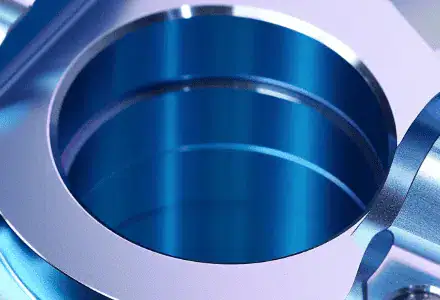
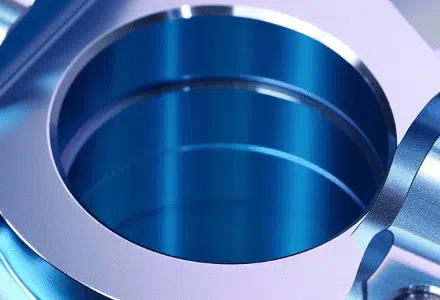
This electrochemical process increases the thickness and hardness of the natural oxide layer on the surface of metal parts. Anodising provides a protective, corrosion-resistant and decorative surface.

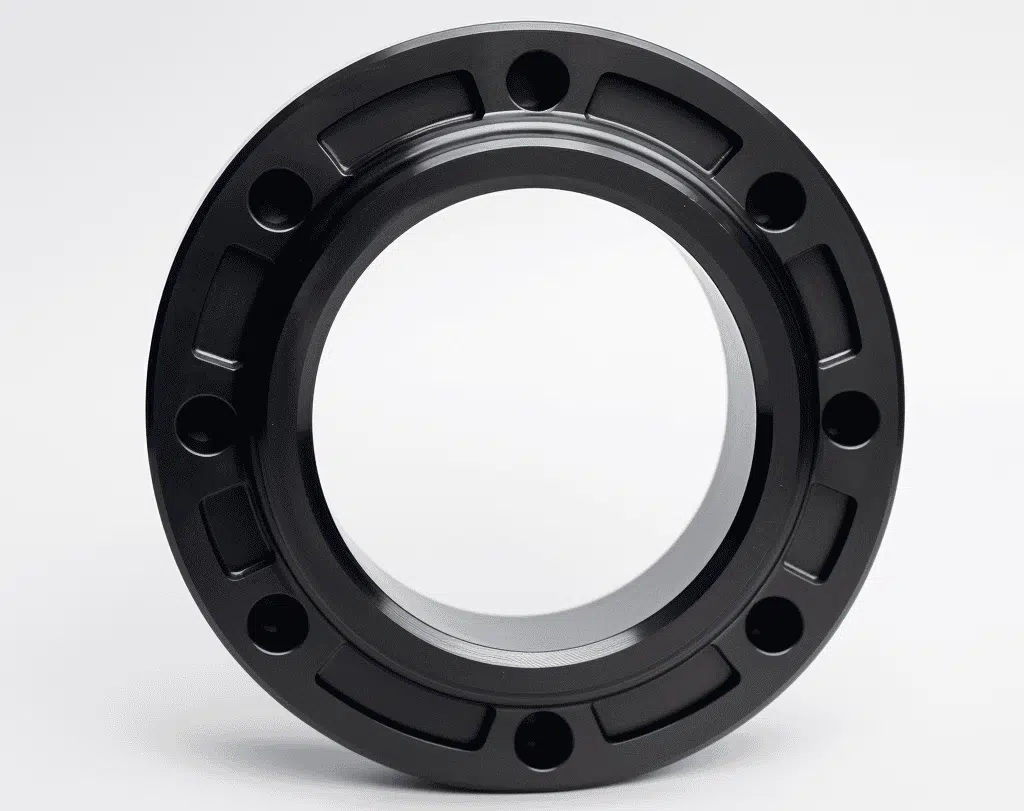
This process creates a black oxide layer on the surface of metal parts. Black oxide coating provides a durable and corrosion-resistant surface.
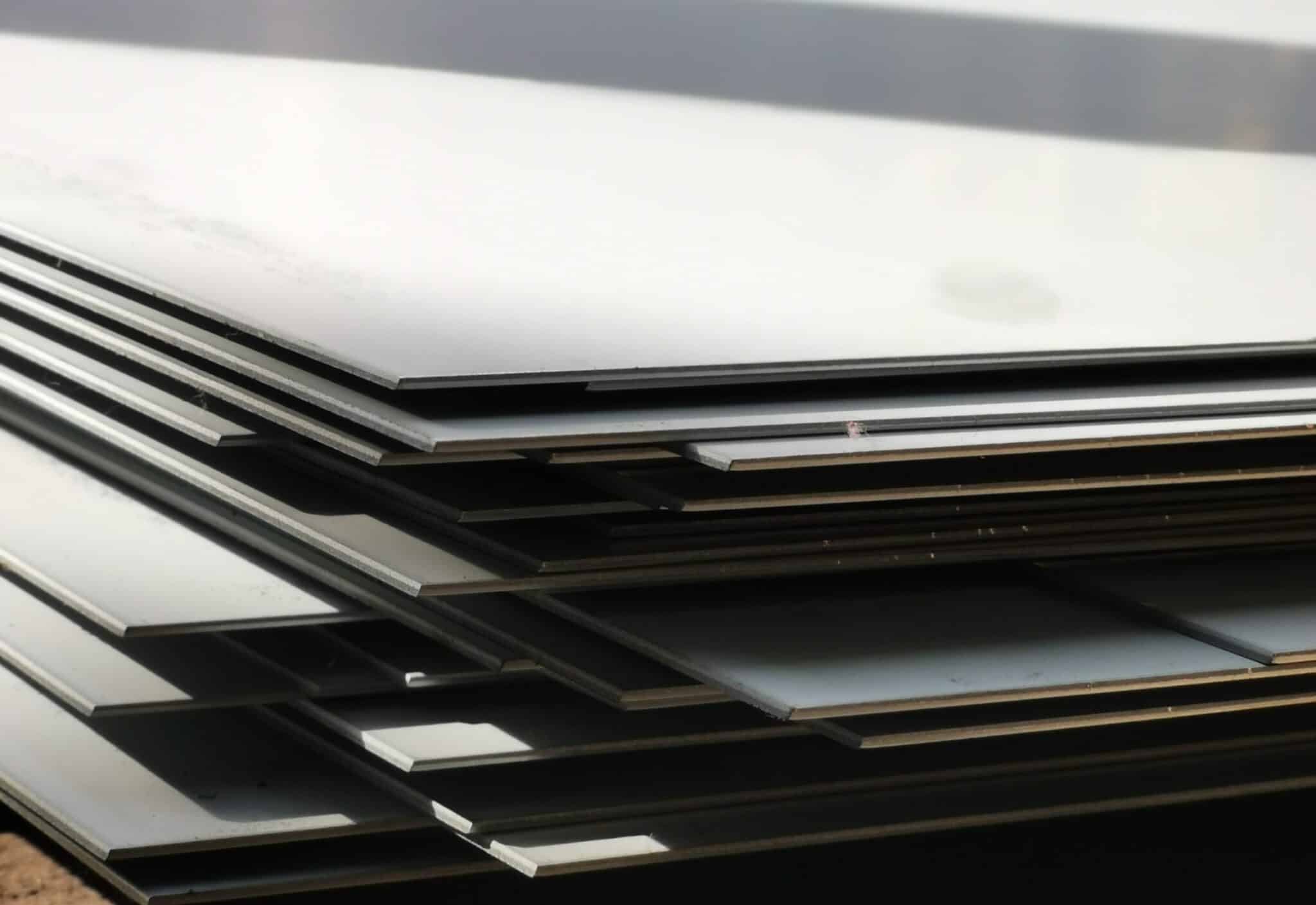
A zinc layer is applied to metal parts via an electrically applied voltage. Electrogalvanising offers excellent corrosion resistance and a smooth surface and can serve as a base for further painting or coating.
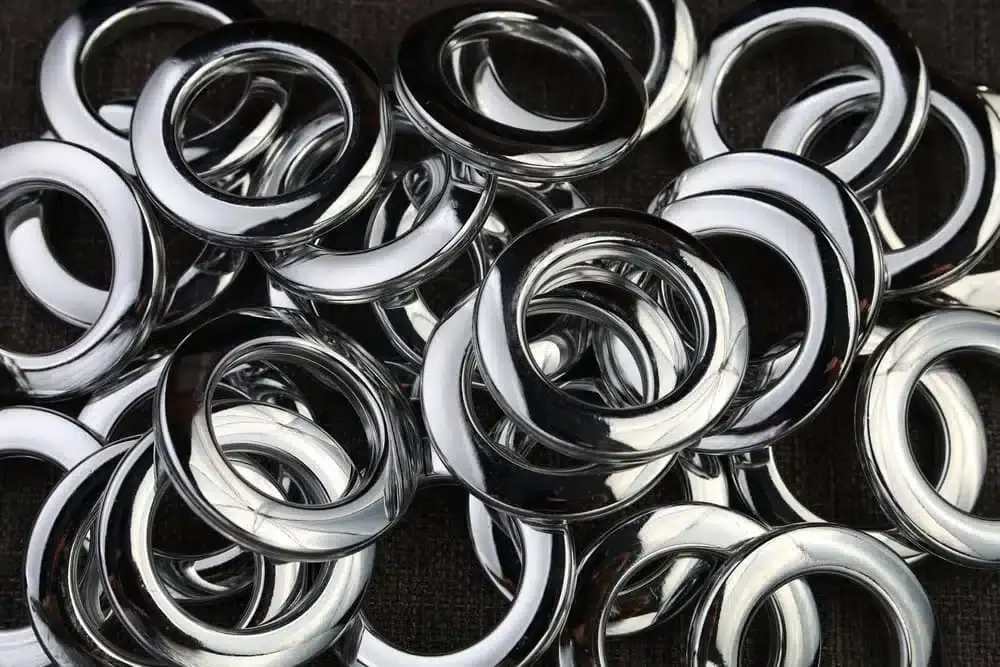
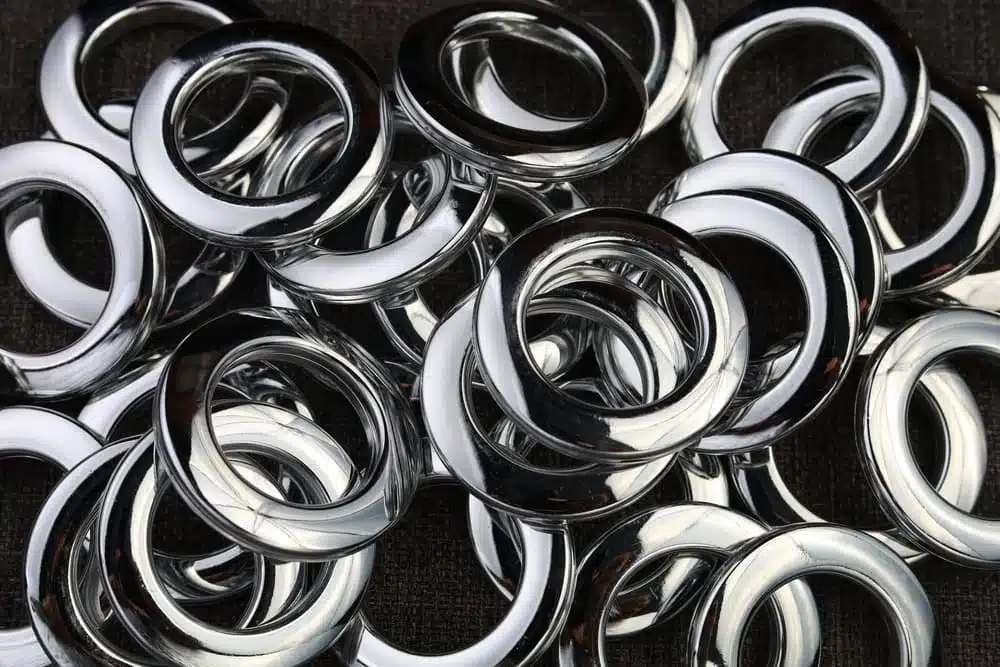
In this electroplating process, a nickel layer is applied to the surface of metal parts. Nickel plating increases corrosion resistance, protects against wear and can provide an attractive, glossy or matte surface.







Get an in-depth look at this versatile and cost-effective manufacturing process.

You’ve finalized your CAD model and are ready to request quotes. But without a spec-complete CNC RFQ, you risk delays, inflated prices, or quotes that collapse under scrutiny. A CNC RFQ assumes you know exactly what you need — the supplier’s job is to quote it, not design it. For a streamlined process, use MakerVerse’s instant quoting platform to upload your files and get a binding quote in minutes. The Topic in a Nutshell Time Savings: Spec-complete RFQs cut quote turnaround from days to under 24 hours. Cost Impact: Halving a CNC tolerance can double or quadruple machining costs — apply tight tolerances only to the 3–5 critical-to-function features that require them. Assumption-Free Quoting: Every missing spec forces a supplier to guess. That guess is a conditional estimate, not a binding quote. Instant Quotes on MakerVerse: Upload your STEP file and PDF drawing to MakerVerse’s CNC platform and receive a

How startups use on-demand manufacturing to accelerate prototyping and early production.
Protect and enhance your CNC machined parts.