
Best Practices: Designing for Laser Cutting
Save time and money by following these guidelines when designing laser-cut parts.
Aluminum and Steel parts. Delivered faster. Express machining available for Turning and Milling – 10 business days lead time. Get a quote now!
CNC milling is a highly accurate machining process that uses multi-point cutting tools to create parts. This manufacturing process is compatible with almost any material and offers high standards regarding surface finish.
It’s also an efficient technology, offering short lead times and serial production capabilities.
Milling represents one of the most used machining processes in subtractive manufacturing.
This process uses a rotary cutting tool with a geometrically determined edge. Milling can be subdivided into face milling and peripheral milling. Face milling uses a vertical cutting axis to process frontal areas and cavities. Peripheral milling, on the other hand, is used for deep slots and threads, given its horizontal cutting axis.
CNC milling is a flexible manufacturing process, from prototyping to series production. That’s because the process is highly accurate with excellent surface finishes, resulting in high repeatably and short lead times. It’s an especially advantageous technology for parts requiring many features, e.g., drilled holes.
Starting at 6 days
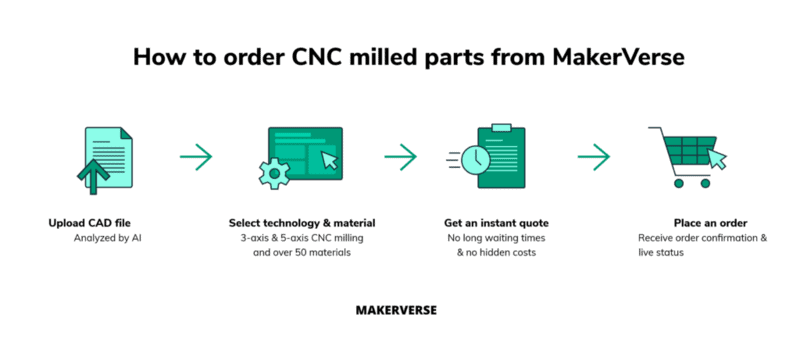
Tired of waiting for quotes? We provide you with a comprehensive quote in minutes.
Our AI-powered pricing engine automatically uses the geometric metadata from your 3D files and all the features and tolerances from your technical drawing. Get a quote based on your exact specifications for more than 150 materials and 30 finishes.
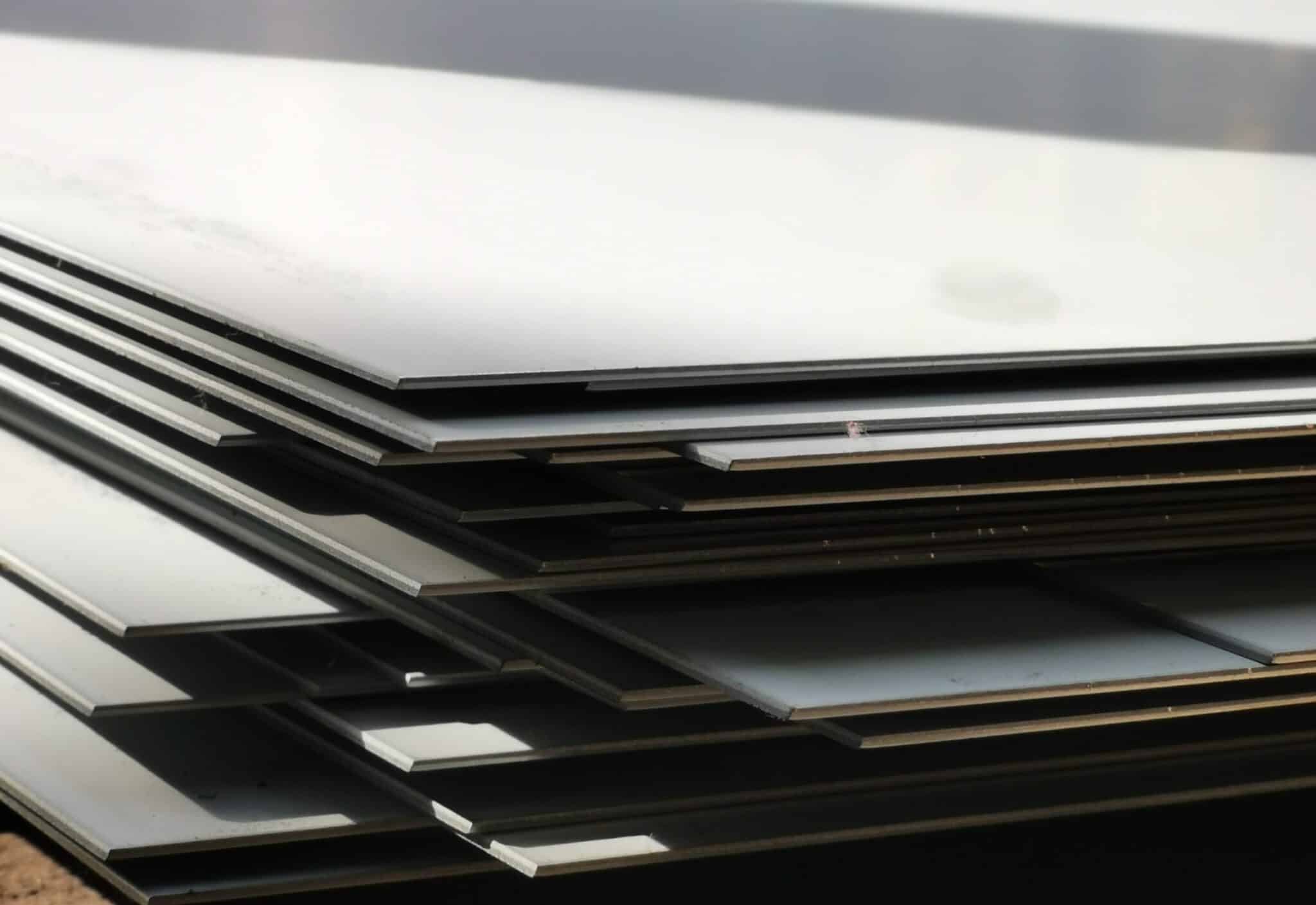
CNC milling materials are suited for a wide range of use cases. The materials, including metals and polymers, offer different properties, such as strength, durability, heat resistance, and electrical conductivity, which can be tailored to specific applications and requirements.
Using a wide range of materials means you can choose the most cost-effective option for your projects.
Co-Head of Engineering at Swissloop Tunneling
MakerVerse gives you the flexibility to source parts however you need. Get instant quotes and quickly order parts with on-demand manufacturing. Our team of experts will work with you for large or complex orders to develop, align, and supervise a manufacturing quality plan from start to finish.


Annealing involves heating metal parts to a specific temperature and slowly cooling them. This process reduces hardness, increases ductility, and relieves internal stresses, making the material easier to work with.
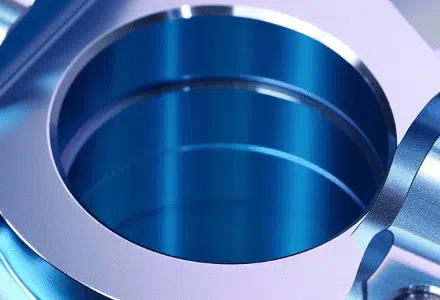
This electrochemical process increases the thickness and toughness of the natural oxide layer on the surface of metal parts. Anodizing provides a protective, corrosion-resistant, and decorative finish.
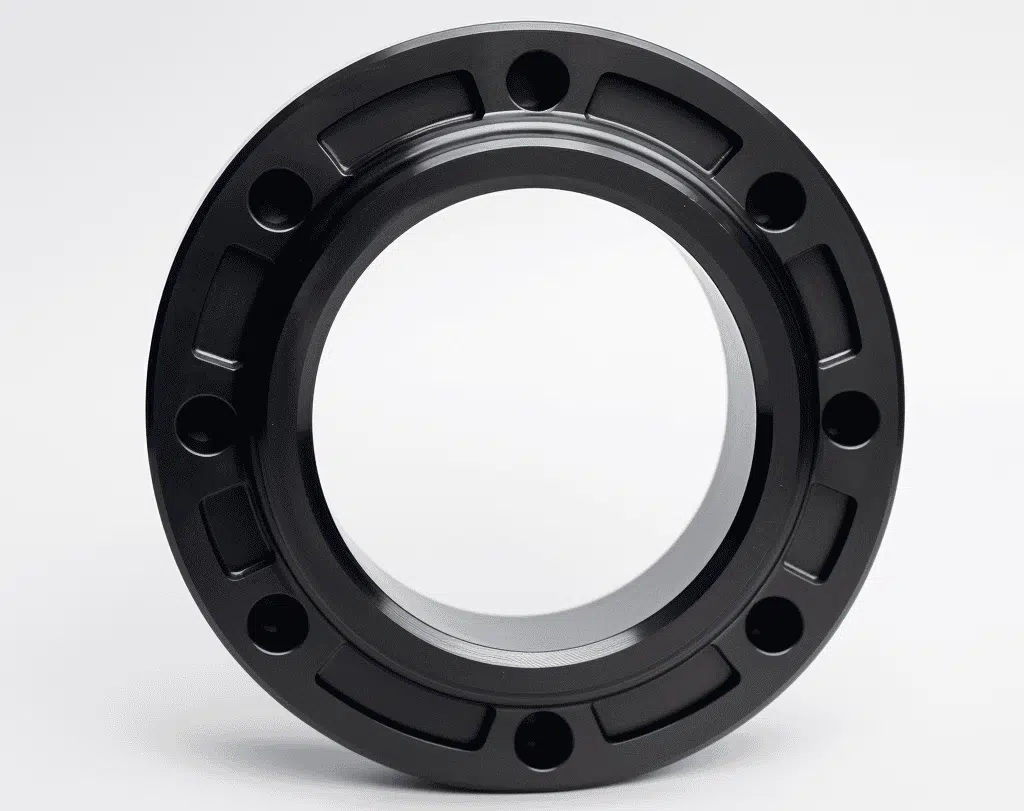
Also known as blackening, this process creates a black oxide coating on the surface of metal parts. Black oxidizing provides a durable and corrosion-resistant finish.
A layer of zinc is electrically deposited onto metal parts. Electrogalvanization provides excellent corrosion resistance and a smooth finish and can serve as a base for further painting or coating.
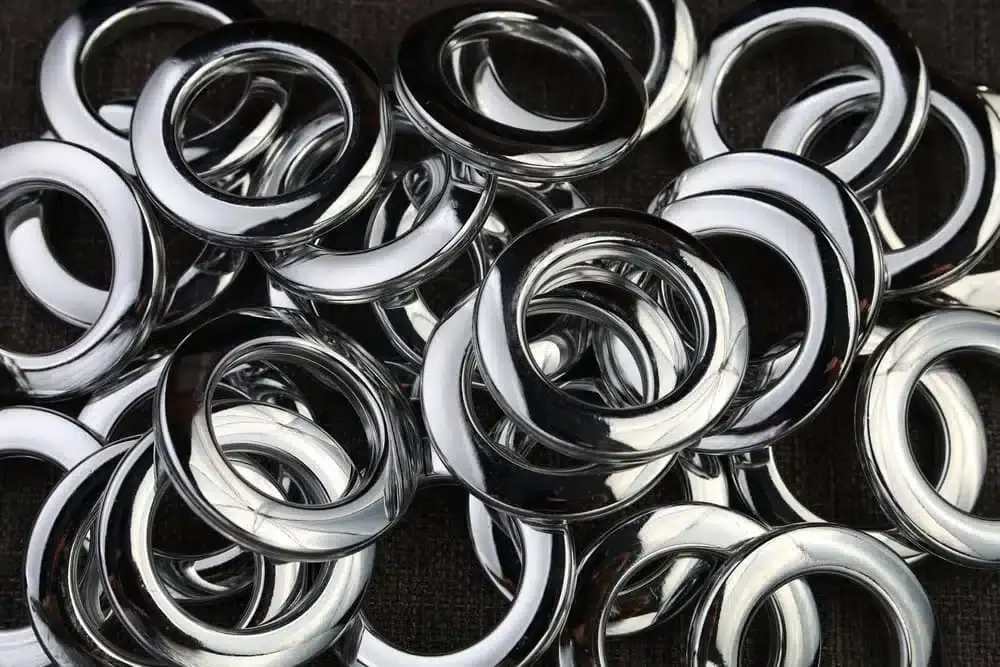
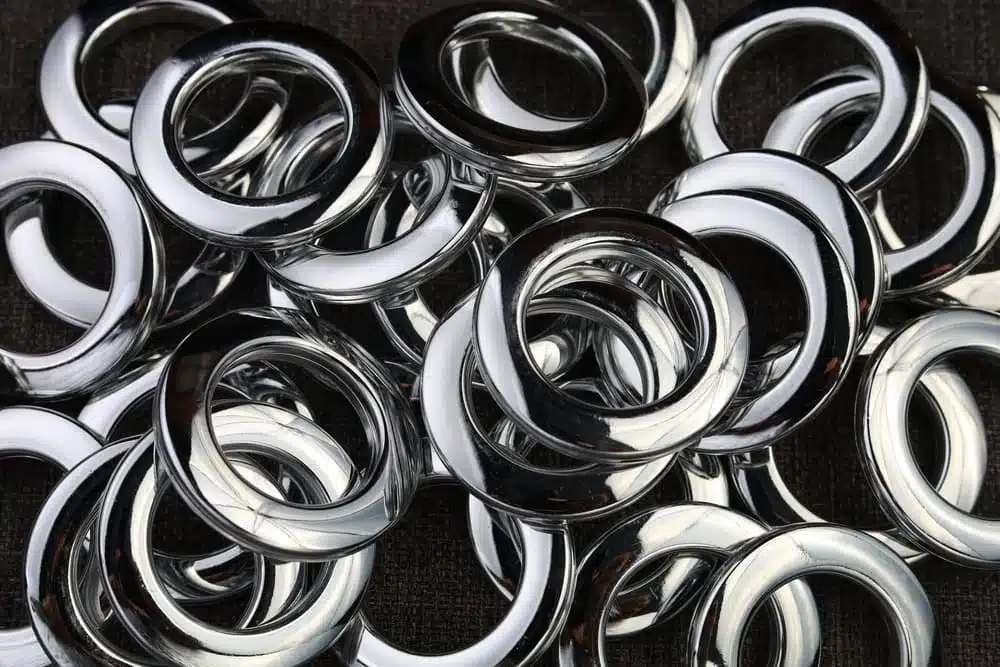
This electroplating process deposits a layer of nickel onto the surface of metal parts. Nickel plating enhances corrosion resistance, adds wear protection, and provides an attractive finish.
The MakerVerse platform offers 150+ different materials for your CNC machining projects. Here are some of the most popular metals and polymers.
Save time and money by following these guidelines when designing laser-cut parts.
Learn about durable, stylish finishes.
Discover how CNC machining accelerates prototyping.
Learn exactly how to leverage titanium for your next CNC machining project.