
Color Uniformity in Injection Molding
Discover the factors affecting color uniformity in injection molding and how to prevent inconsistencies in production.
Injection molding is a highly versatile and efficient manufacturing technology with high production rates.
By injecting molten material into a mold cavity, this process enables the creation of complex shapes and intricate details with remarkable precision. Additional benefits include consistent quality, design flexibility, and cost-effectiveness.
First, a mold is prepared, usually made of steel or aluminum, to form the desired part shape. The mold consists of two halves – the cavity and the core – precisely machined to create the desired geometry.
Next, plastic pellets, typically made of thermoplastic materials, are melted and injected into the mold under high pressure. The molten plastic fills the cavity, taking the shape of the mold.
After cooling and solidification, the mold opens, and the finished part is removed for finishing.
Various industries use injection molding extensively, as the technology offers a high-quality, cost-effective manufacturing solution.
This technology produces components such as dashboards, interior trim, and exterior body parts in the automotive industry. In consumer electronics, injection molding manufactures smartphones, electronic housings, and more. Other sectors, such as aerospace, packaging, and consumer goods, also leverage this technology to create custom parts and consumer products.
+/- 0.1 % (minimum 0.1 mm)
Vice President of Additive Manufacturing at Siemens Energy
MakerVerse gives you the flexibility to source parts however you need. Get fast quotes and quickly order parts with on-demand manufacturing. Our team of experts will work with you for large or complex orders to develop, align, and supervise a manufacturing quality plan from start to finish.


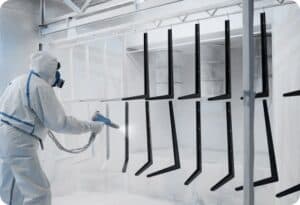
Painting offers a wide range of color options. Different techniques and high-quality coatings enable finishes such as glossy, matte, metallic, or textured surfaces.
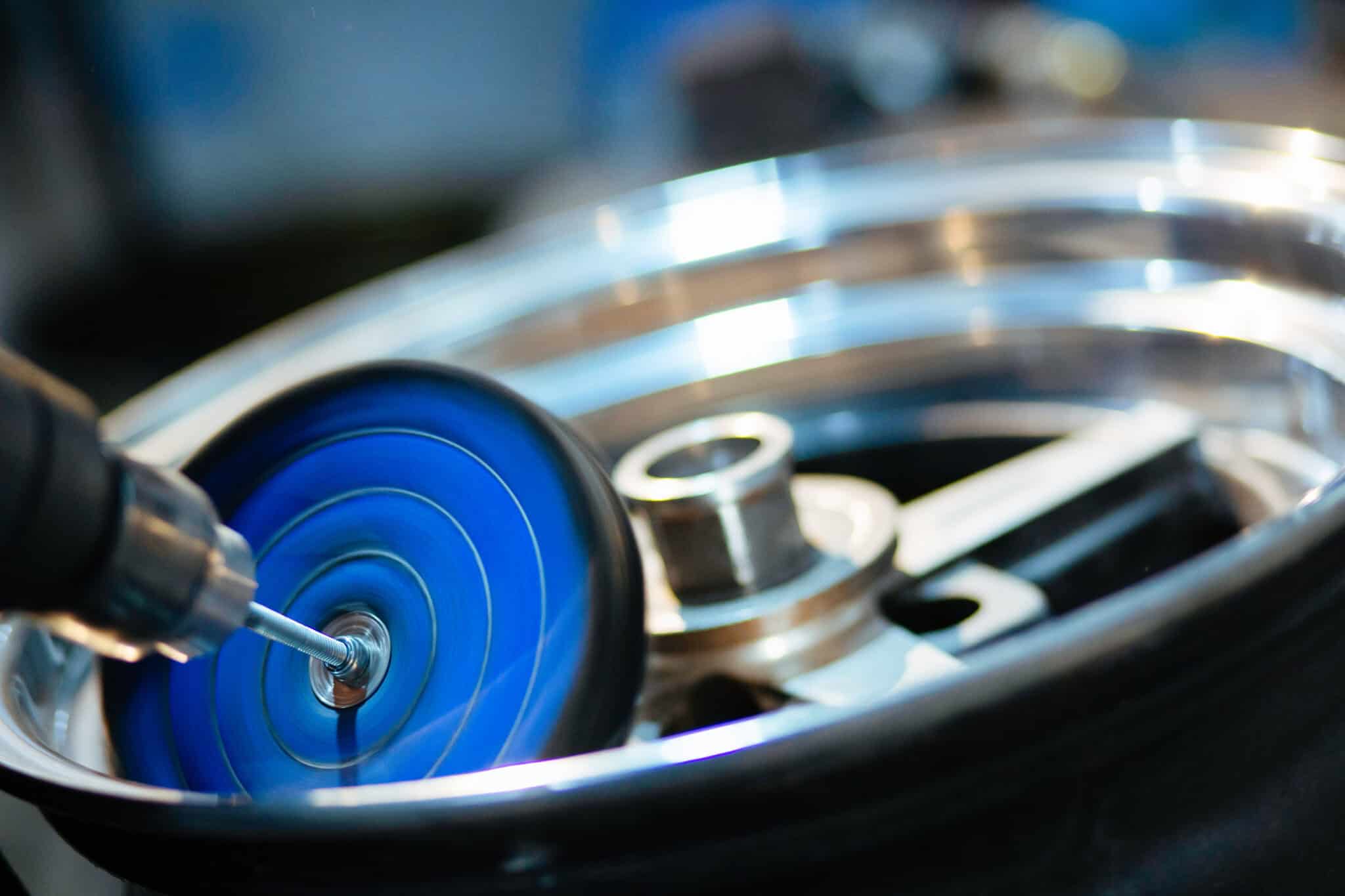
The surface is gradually smoothed using abrasive materials or compounds, creating a glossy finish that highlights fine details and improves visual quality.
Specific patterns or textures are applied to the mold surface to enhance functionality, improve aesthetics, or provide better grip.
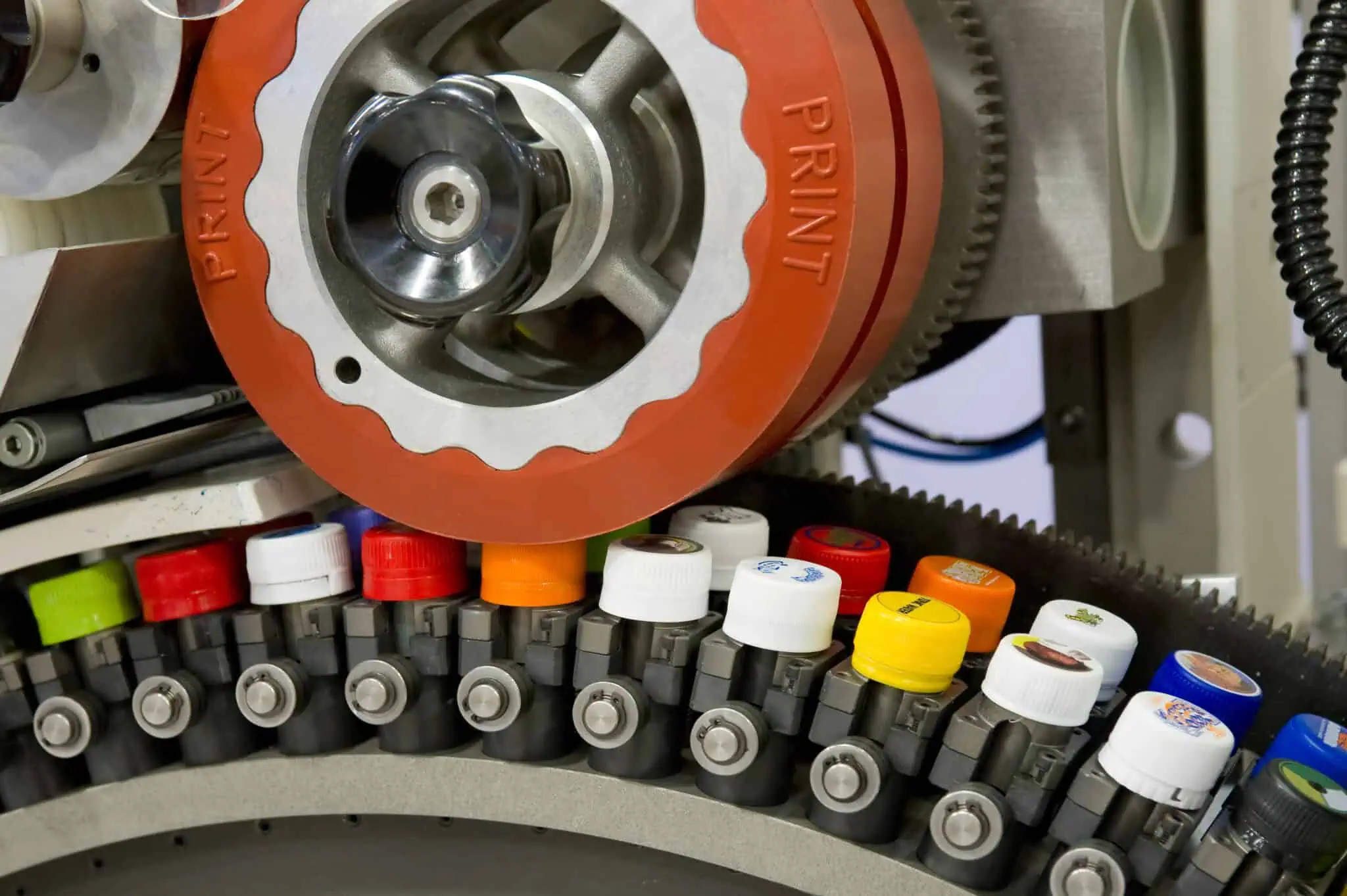
Pad printing applies detailed graphics, logos, or markings by transferring ink onto the part using a flexible printing pad.
Discover the factors affecting color uniformity in injection molding and how to prevent inconsistencies in production.
From cost savings to flexibility and beyond.
See some of the popular injection molding applications.
How does an innovative idea become a marketable product? A crucial phase lies between the initial concept and series production: rapid prototyping. This process allows for the early validation of design and functionality before significant investments are made in tooling. Instead of relying on costly corrections during series production, designers can achieve optimal results through iterative testing as early as the development phase. MakerVerse supports companies with a digital platform that provides access to all major manufacturing technologies – from 3D printing and CNC machining to injection molding.